
Quick answer
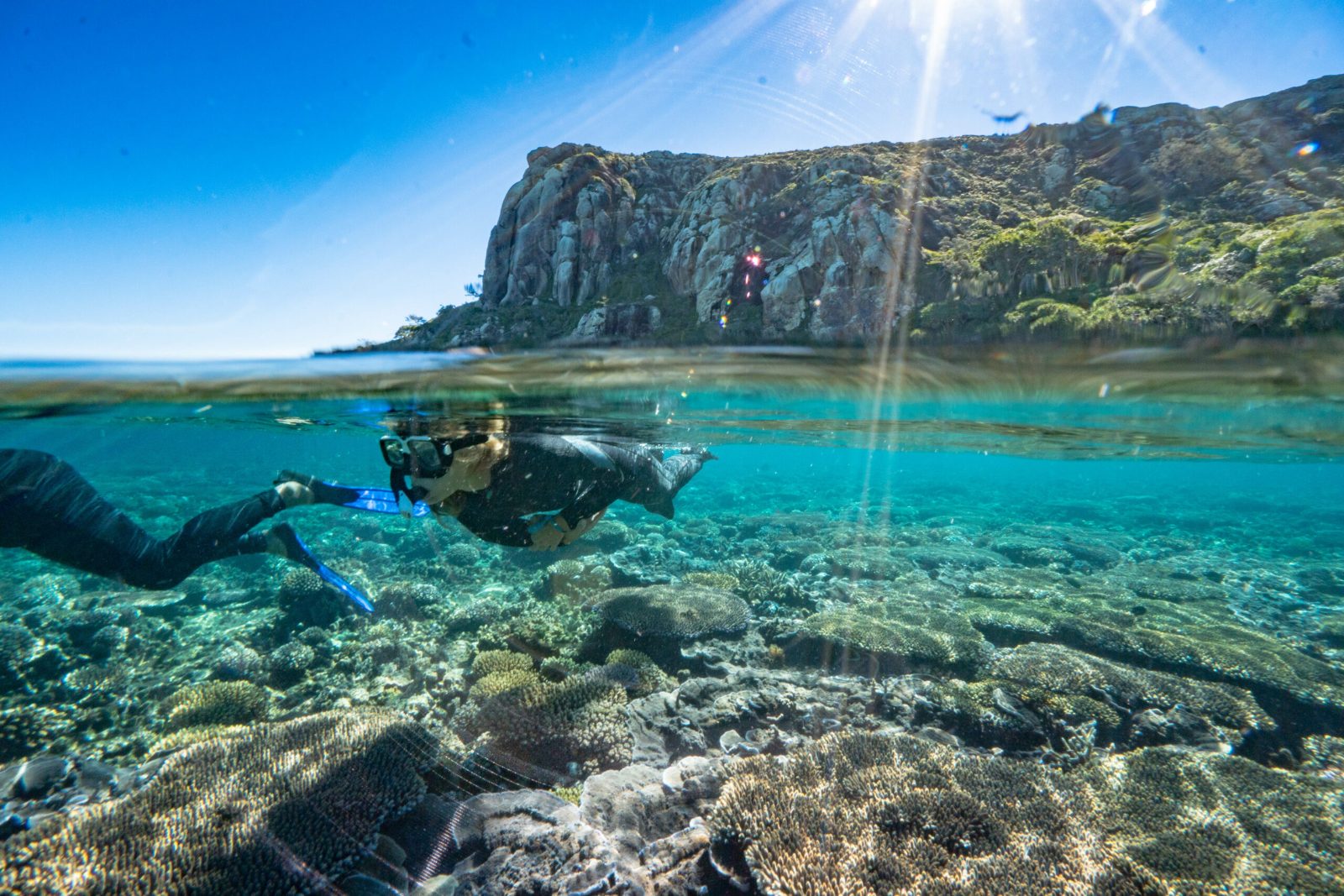
Where to snorkel on Great Keppel Island depends on your skill level and the tide. Putney Beach and Monkey Beach offer shallow, protected fringing reefs ideal for beginners, accessible directly from shore. Intermediate snorkelers head to the northern coral gardens off Clam Bay during mid-to-low tide for deeper reef structure and higher fish density. Advanced swimmers reach the outer bommies at Long Beach's southern point, where visibility exceeds fifteen meters in calm conditions.
Great Keppel Island's fringing reefs form a discontinuous band around its eighteen-kilometer coastline, with coral health and accessibility varying by exposure and substrate. The island's western beaches face the mainland and offer calm, turbid-water snorkeling suitable for families; the eastern and northern shorelines open to the Coral Sea, delivering clearer water but stronger currents. Putney Beach anchors the western snorkel circuit. Its shallow reef flat extends thirty meters from shore, with staghorn and plate coral colonies in one to three meters of water. Visibility averages four to six meters year-round due to sediment plumes from Keppel Bay, but the protected environment and gentle depth gradient make it the island's most forgiving snorkel entry. Sergeant majors, parrotfish, and occasional turtles forage across the reef crest during incoming tides. Monkey Beach, a ten-minute walk north, presents a similar reef structure with slightly better visibility—five to eight meters—when northeasterly winds drop below fifteen knots. Clam Bay's northern coral gardens represent the island's intermediate snorkeling zone. The reef here begins five meters offshore and drops to six meters over a fifty-meter swim, with bommies rising two meters above the sand floor. Brain coral, staghorn thickets, and gorgonian fans host damselfish, butterflyfish, and territorial clownfish colonies. Mid-to-low tide delivers the best clarity—eight to twelve meters—as tidal flow flushes sediment seaward. Snorkelers enter via the beach's northern access track and swim parallel to shore to avoid the bay's central boat mooring zone. Long Beach's southern point offers the island's most demanding snorkel site. The outer bommies sit eighty meters offshore in eight to ten meters of water, accessible only to confident swimmers in flat conditions. Visibility reaches fifteen meters on calm mornings between May and October, revealing larger pelagic visitors—trevally, mackerel, and reef sharks—that patrol the drop-off. This site requires monitoring swell forecasts and northeasterly wind speeds; conditions above twenty knots render it unsafe for snorkeling. Great Keppel Island snorkeling operates year-round, with the dry season from May through October providing the clearest water and calmest seas. Wet-season months from December to March bring reduced visibility due to river runoff and afternoon thunderstorms, though water temperatures remain comfortable at twenty-four to twenty-eight degrees Celsius. The fringing reefs are accessible without permits, as the island's beaches and adjacent waters fall within public-access zones of the Marine Park.
“The island's fringing reefs form a discontinuous band around its eighteen-kilometer coastline, with coral health and accessibility varying by exposure and substrate.”
The Best Time and Where to Snorkel on Great Keppel Island
The best arrival window is 09:00–14:00, as this period provides the most favorable visibility and reef access at mid-to-low tide during daylight hours. Planning your snorkel within these hours ensures you experience the clearest water conditions for observing marine life.
Spring (September–November)
Moderate crowdsWarm, 24°C–28°C; stable conditions
These months offer calm seas and clear visibility, ideal for water activities.
Summer (December–February)
Peak crowdsHot, 27°C–31°C; potential tropical storms
While water is warm, be aware of increased wind and the seasonal presence of marine stingers.
Autumn (March–May)
Lower crowdsMild, 23°C–27°C; consistent sunshine
This window provides comfortable temperatures and excellent water clarity for extended snorkeling sessions.
Weekday mornings
Low crowds—
Visiting mid-week during the morning ensures quieter reef access and optimal tidal conditions for visibility.
Verdict: The concrete best slot is mid-week between 09:00 and 14:00 during the months of April or October.
Top Locations Where to Snorkel on Great Keppel Island
Great Keppel Island offers several accessible snorkeling spots directly from the shore, characterized by fringing coral reefs and diverse marine life. Visitors can explore these locations independently to observe local aquatic species in their natural habitat.
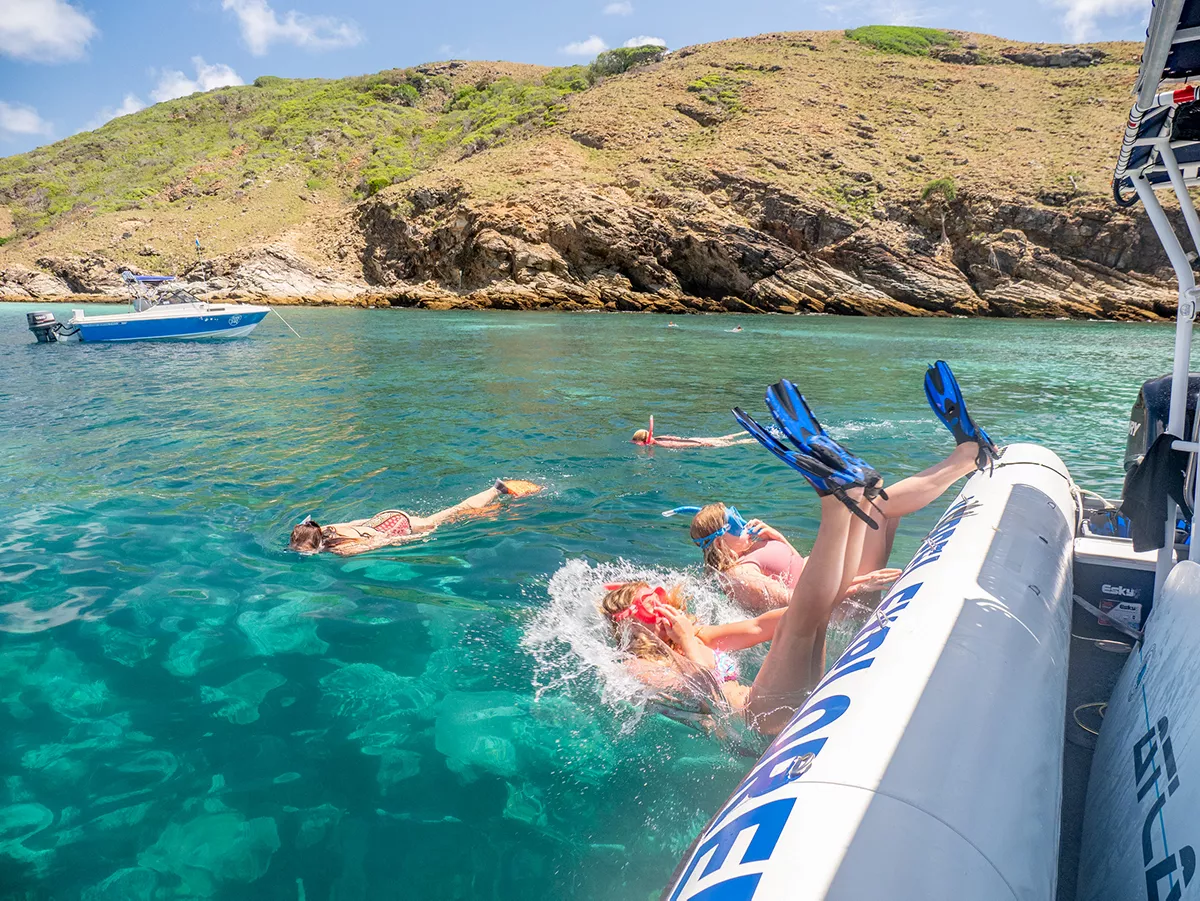
Fisherman’s Beach
The primary hub for island activity, offering easy access to shallow reefs along the rocky outcrops. It serves as a convenient entry point for those wanting to observe soft corals and small reef fish.
Swim towards the northern rocky headlands for better coral density.
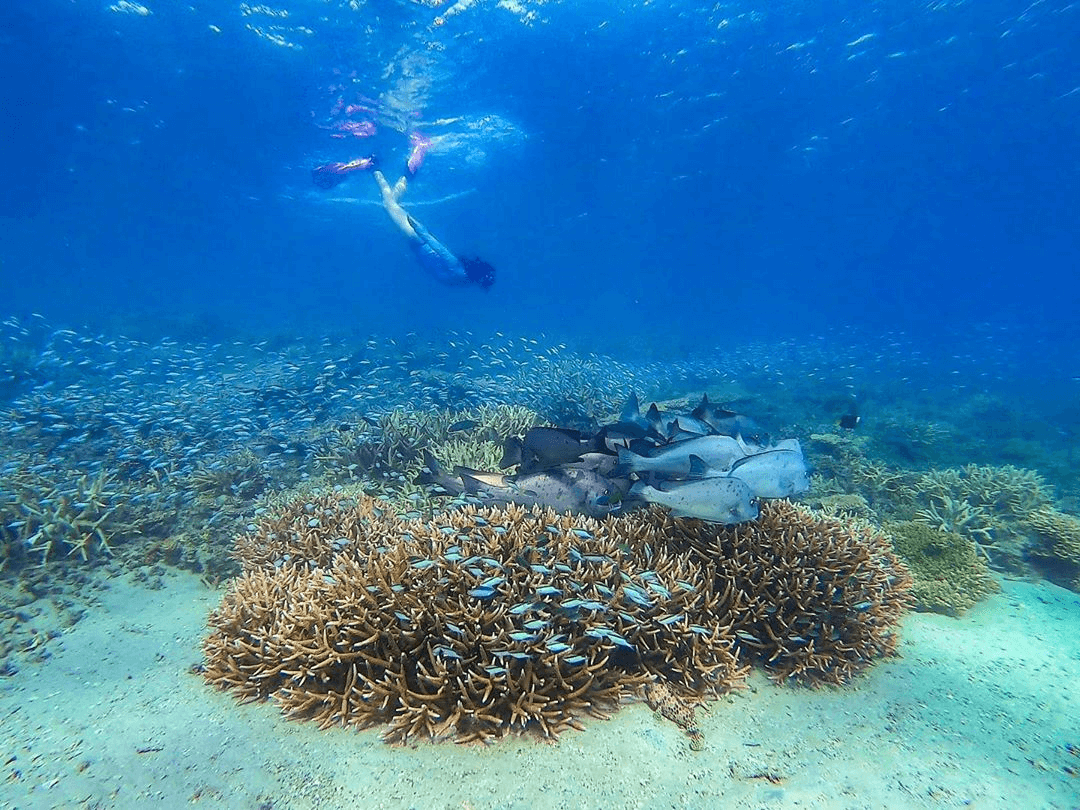
Shelving Beach
Located a short walk from the main resort area, this beach features a more secluded environment with vibrant coral patches close to the shoreline. The reef here provides shelter for a variety of tropical fish species.
Enter the water at the southern end during calm conditions.
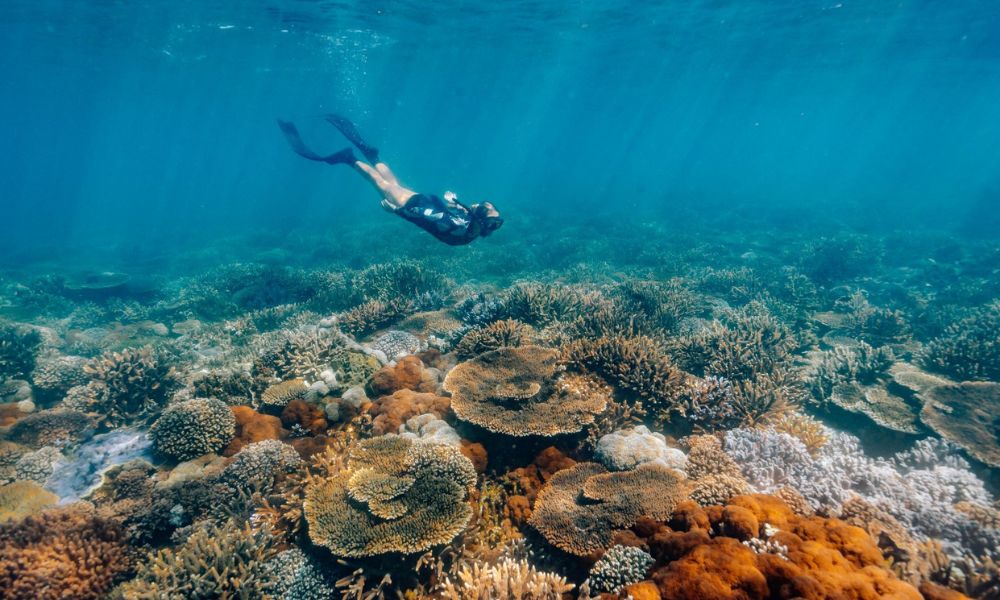
Monkey Beach
Accessible via a scenic bushwalking trail, this spot is known for clearer water and deeper reef sections that attract larger marine life. It is suited for snorkelers looking for a quieter experience away from the main beaches.
Visit during mid-tide to access the outer coral gardens.
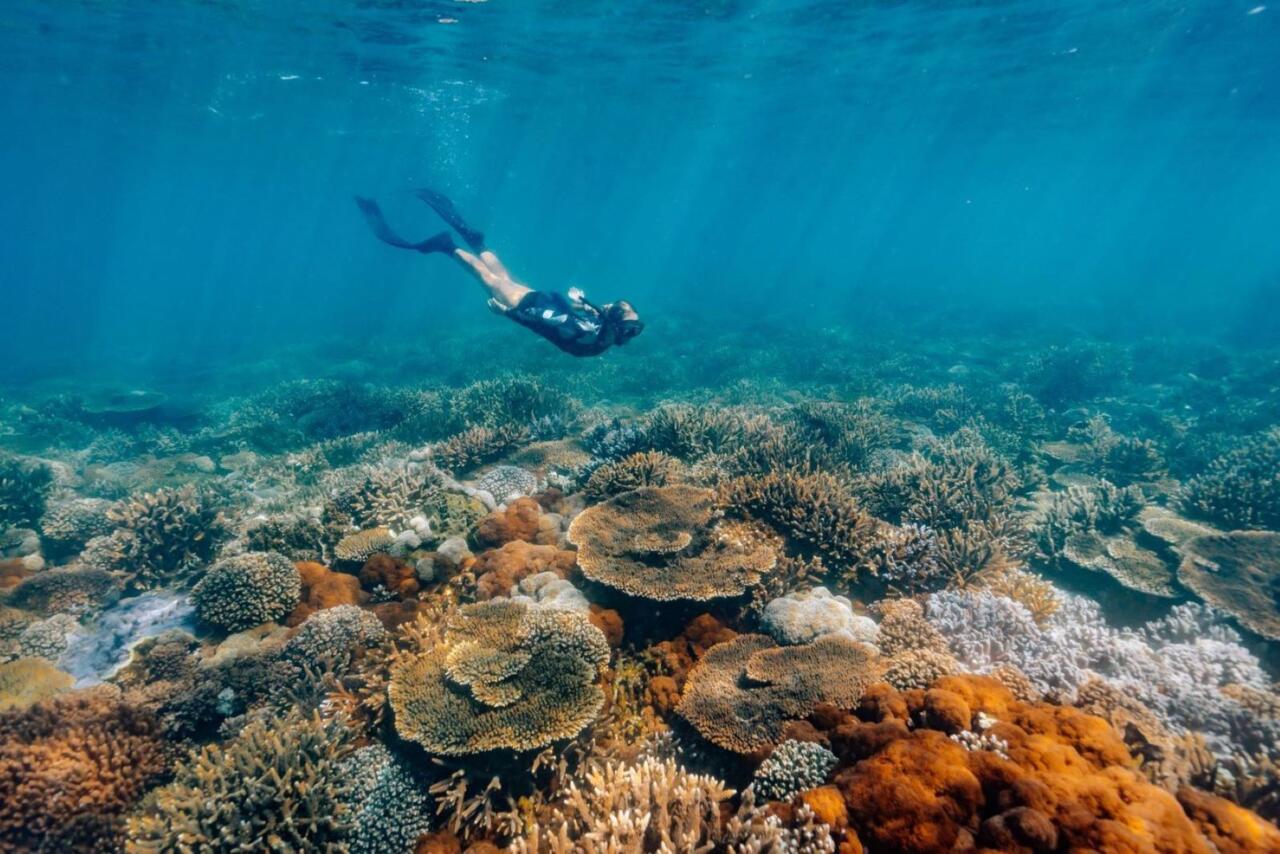
Butter Fish Bay
This bay offers a sheltered area protected from prevailing winds, making it a reliable choice for observing marine life in calmer waters. The seafloor consists of a mix of sand and scattered coral bommies.
Stay within the bay perimeter to avoid stronger currents.
Getting to Where to Snorkel on Great Keppel Island
Great Keppel Island is located off the Capricorn Coast of Queensland and is accessed primarily by ferry services departing from Pier One at Rosslyn Bay. Upon arrival at the main jetty, visitors can reach the primary snorkeling beaches via marked walking tracks.
Ferry from Rosslyn Bay to Great Keppel Island Jetty
Island Jetty to Fisherman's Beach
Fisherman's Beach to Shelving Beach track
Operational Availability Where to Snorkel on Great Keppel Island
Great Keppel Island is accessible to visitors daily throughout the year. Public access to island beaches and national park snorkeling areas remains open at all times.
| Monday | 00:00–23:59 | |
|---|---|---|
| Tuesday | 00:00–23:59 | |
| Wednesday | 00:00–23:59 | |
| Thursday | 00:00–23:59 | |
| Friday | 00:00–23:59 | |
| Saturday | 00:00–23:59 | |
| Sunday | 00:00–23:59 |
Insider Advice for Where to Snorkel on Great Keppel Island
Follow these practical guidelines to ensure your snorkeling experience remains safe and respects the local marine environment.
Reef protection
Avoid using sunscreen containing oxybenzone, as it contributes to coral bleaching and reef degradation. Use UV-rated rash guards to minimize the amount of topical products entering the water.
Marine life safety
Maintain a neutral buoyancy to prevent accidental contact with coral structures, which are fragile and easily damaged. Never touch or chase marine life, as this causes unnecessary stress to the local ecosystem.
Gear maintenance
Rinse your snorkel gear with fresh water after each session to prevent salt crystal buildup and corrosion of silicone seals. Store your mask out of direct sunlight to prevent the rubber from perishing over time.
Hydration strategy
Snorkeling is physically demanding, so drink plenty of water before and after entering the water to prevent dehydration. Do not rely on thirst as an indicator, as the ocean breeze can mask fluid loss.
Navigation awareness
Always check local wind conditions and currents before heading out, even if swimming from the beach. Carry a flotation device if you are less experienced to ensure you can rest safely while observing the reef.
Check availability
Common questions about where to snorkel on Great Keppel Island
Everything you need to know about where to snorkel on great keppel island