
Quick answer
Great Keppel Island offers accessible shore snorkeling across multiple sites, with Monkey Beach and Clam Bay delivering the most consistent coral coverage and fish diversity. Visibility typically ranges from 5 to 15 meters depending on wind, tide, and recent rainfall, with calm mornings between April and October providing the clearest conditions. Entry is free, and most sites require only mask, fins, and a short swim from the beach.
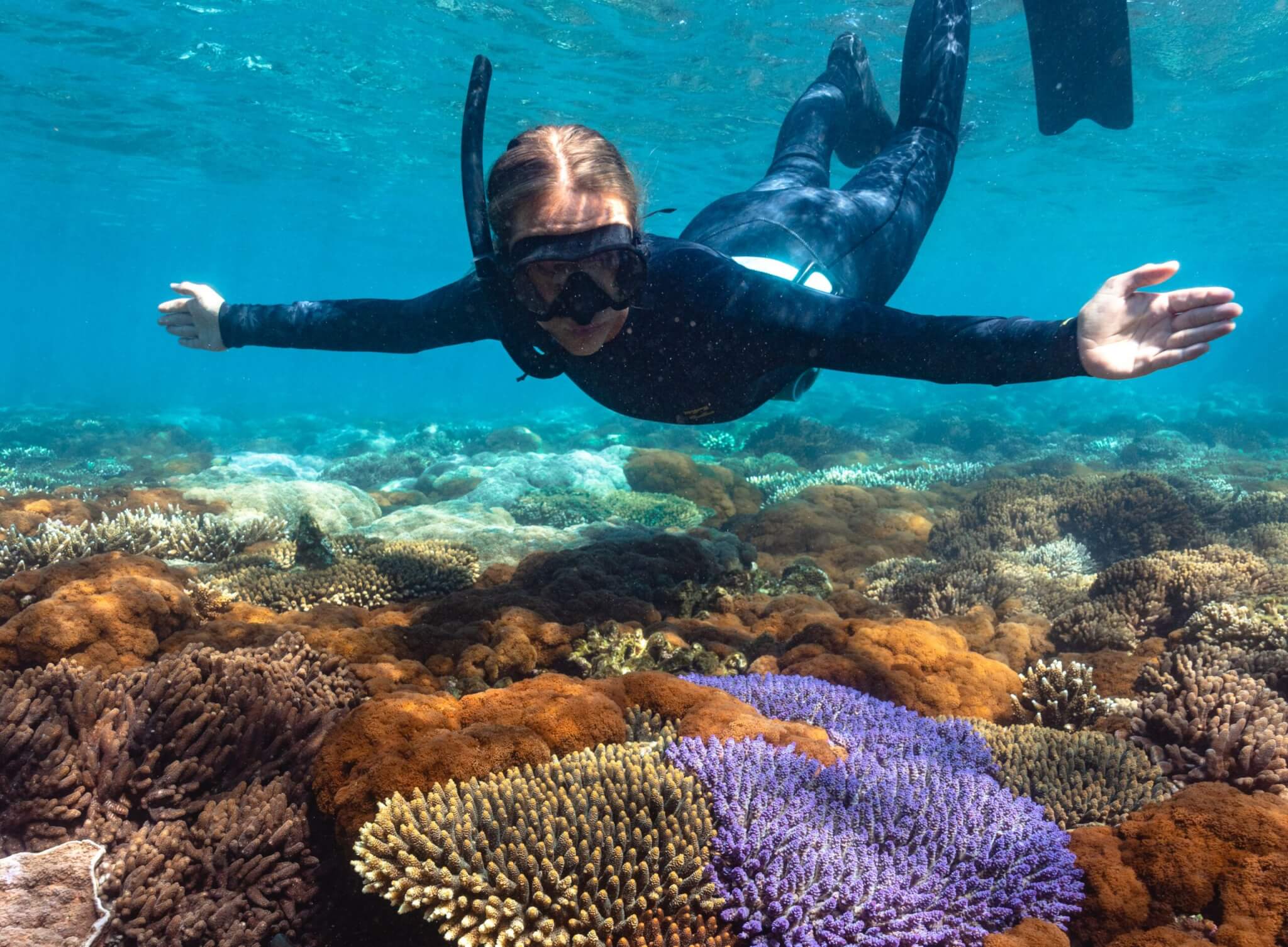
Great Keppel Island lies within the southern Great Barrier Reef region, but its fringing reefs are distinct ecosystems shaped by coastal currents, sediment flow, and seasonal weather patterns rather than the offshore ribbon reefs tourists associate with Cairns. That geography matters because it sets realistic expectations: you will not encounter the sheer coral wall density or pelagic species common to outer reef pontoons, but you will find accessible, shore-based snorkeling that rewards patience and timing. Monkey Beach, on the island's northwestern edge, anchors most great keppel island snorkeling review discussions for good reason. The bay's rocky headlands shelter a mix of hard and soft corals within 20 meters of shore, and the reef slope is gradual enough for beginners while offering crevices and bommies that hold resident trevally, parrotfish, and occasional wobbegong sharks. Visibility here peaks in the early morning before wind chop stirs the shallows, and the reef is diveable across all tides. Clam Bay, a ten-minute walk south, offers a quieter alternative with better coral health in patches but spottier fish aggregation. Putney Beach, closer to the main jetty, delivers convenience over spectacle: the reef is sparse and sandy, suitable for orientation swims but not the primary snorkeling destination. Seasonal variation governs snorkeling conditions more than most visitors anticipate. April through October brings southeast trade winds that can cloud inshore waters during peak afternoons, but mornings remain calm and clear. November through March shifts to northerly patterns with higher rainfall, which reduces visibility through sediment runoff but also brings warmer water and increased fish activity near the reefs. Turtles appear year-round, though sightings concentrate around Monkey Beach and the northern headlands. Stingers are rare but present between November and April; most snorkelers wear stinger suits during this window as a precaution. This great keppel island snorkeling review reflects conditions as of mid-2026, drawn from ranger reports, dive operator logs, and visitor observations across multiple seasons. The island's reef systems remain healthy relative to other inshore sites along the Capricorn Coast, but they are not pristine. Coral bleaching events in recent years have affected coverage in shallow zones, and some bommies show algae overgrowth. What persists is accessibility: you can snorkel here without a boat, a guide, or advance booking, and the best sites reward early starts and careful site selection.
“The fringing reefs here are distinct ecosystems shaped by coastal currents and seasonal weather, not the offshore ribbon reefs tourists associate with Cairns.”
Optimal Timing for Your Great Keppel Island Snorkeling Review
The best time for snorkeling on Great Keppel Island is during the early morning hours, specifically within the best arrival window of 07:00–11:00. Arriving early ensures calm waters and higher visibility before afternoon winds typically increase.
September to November
Moderate crowdsWarm, 24°C–28°C; low rainfall
Dry conditions provide clear water and stable snorkeling environments.
December to February
High visitor numbersHot, 28°C–32°C; humid
Expect warmer water temperatures though occasional summer storms may affect visibility.
March to May
Quiet periodsMild, 23°C–27°C; pleasant
Transition months offer calm seas and comfortable temperatures for extended time in the water.
Weekday mornings
Low population density—
Early arrivals maximize time in the water during optimal morning tide conditions.
Verdict: The concrete best slot for snorkeling is between September and November on weekday mornings, prioritizing an arrival between 07:00 and 11:00.
Entrance Fees for Great Keppel Island Snorkeling
Access to Great Keppel Island is open to the public, and snorkeling directly from the island beaches requires no entry fees. There are no conservation charges applied to visitors exploring the surrounding reefs.
A typical adult pays 0 AUD for island access, as costs only apply to optional third-party ferry transport or equipment rentals.
Operational Hours for Great Keppel Island Snorkeling Logistics
Great Keppel Island operates on a consistent weekly schedule, allowing visitors to plan their snorkeling excursions according to these set operational times.
| Monday | 07:00–17:00 | |
|---|---|---|
| Tuesday | 07:00–16:00 | |
| Wednesday | 07:00–17:00 | |
| Thursday | 07:00–17:00 | |
| Friday | 07:00–16:00 | |
| Saturday | 07:00–17:00 | |
| Sunday | 07:00–17:00 |
Key Snorkeling Sites for Your Great Keppel Island Snorkeling Review
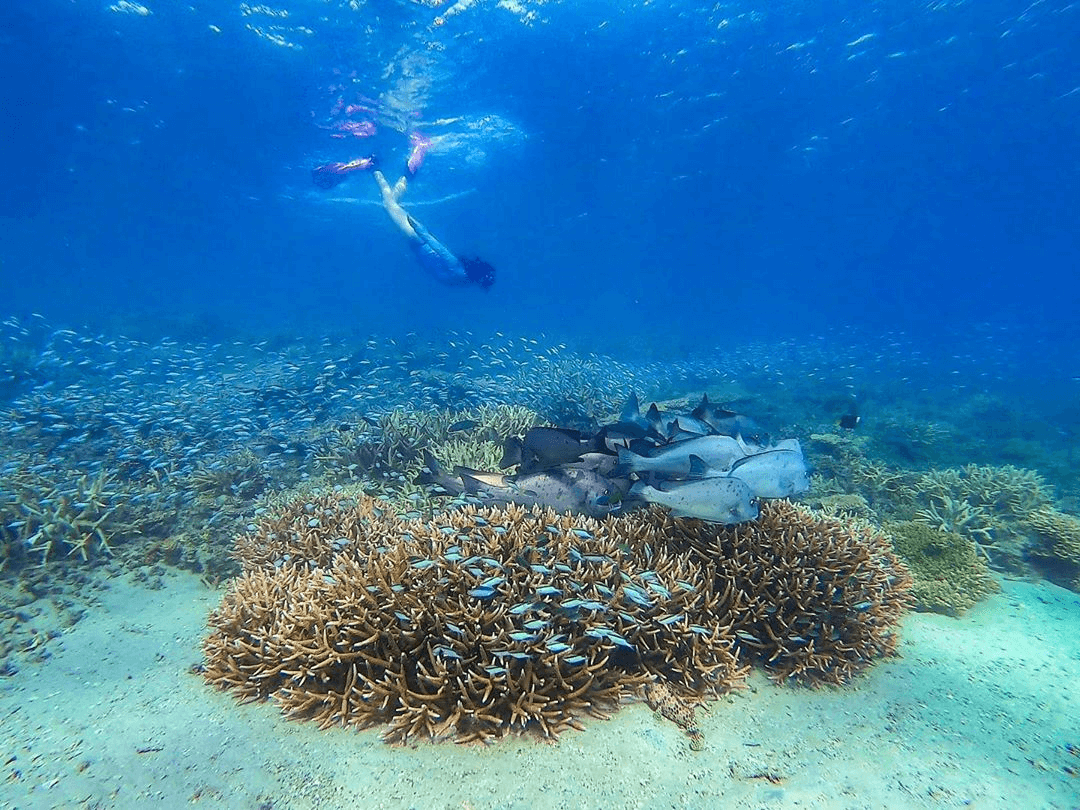
Great Keppel Island offers several accessible shore-based snorkeling locations characterized by fringing reefs and diverse marine life. These sites provide opportunities to observe coral formations and fish species directly from the beach.
Shelly Beach
Located a short walk from the main hub, this beach features rocky outcrops that host various reef fish. The coral density is highest toward the northern end of the cove.
Snorkel at high tide to clear shallow rocky sections easily.
Monkey Beach
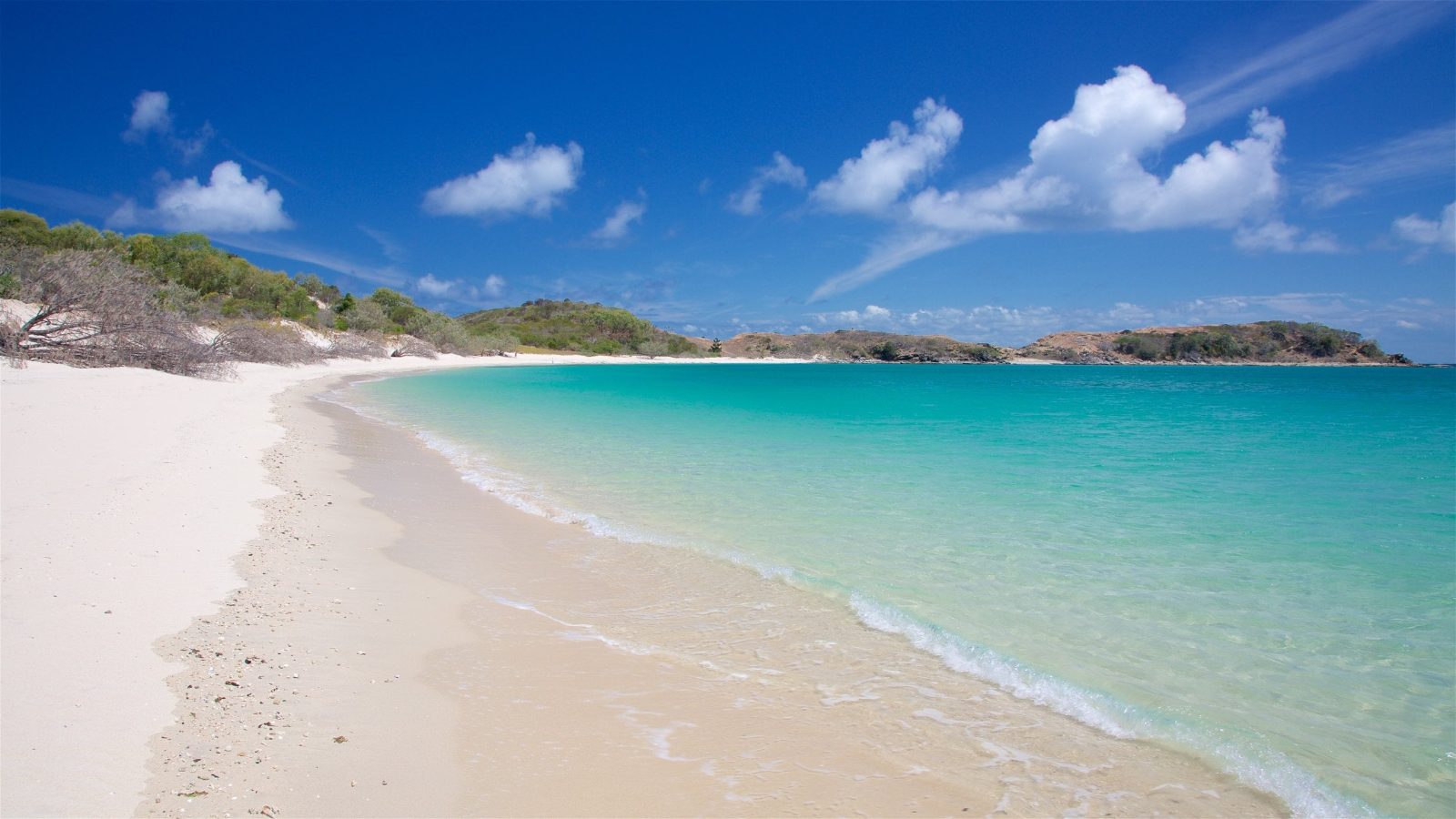
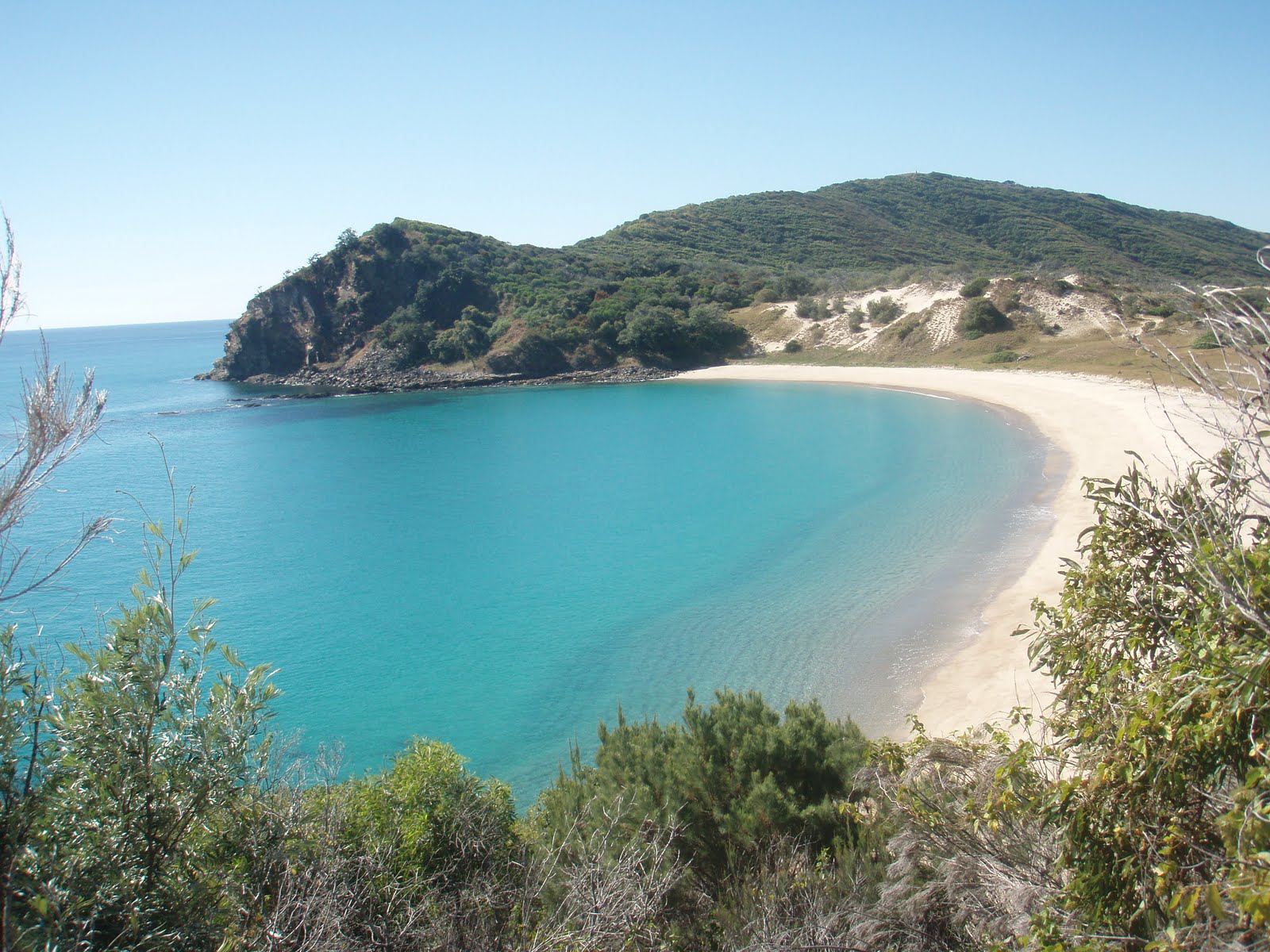
Accessible via a walking trail, this site is known for calm waters and protected coral patches. It is a preferred spot for those seeking quieter snorkeling conditions away from the ferry terminal.
Enter from the sand and swim toward the reef edge.
Butterfish Bay
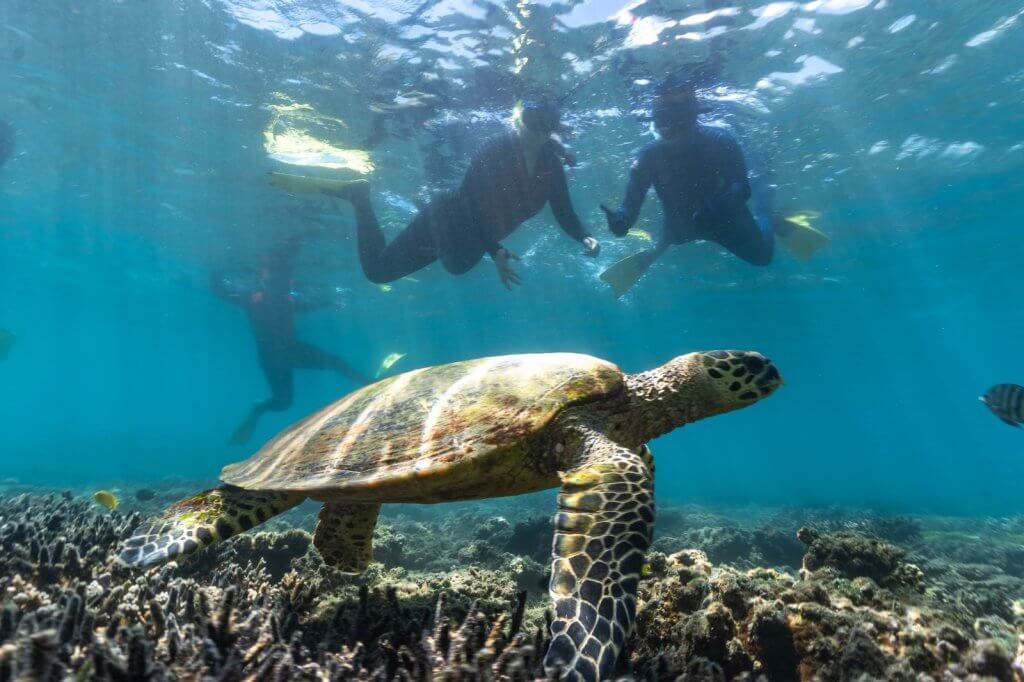
This bay offers a more secluded environment with patches of coral scattered across the sandy bottom. It is suitable for snorkelers who prefer exploring smaller, dispersed reef structures.
Visit during low wind conditions for better underwater visibility.
Long Beach
Extending over a kilometer, this beach provides several entry points for snorkeling along its fringing reef system. The southern end typically offers better protection from prevailing currents.
Look for fish near the submerged rock formations at low tide.
How to Arrive for a Great Keppel Island Snorkeling Review
Great Keppel Island is located off the Capricorn Coast of Queensland. The most direct approach is by passenger ferry departing from the mainland at Rosslyn Bay.
Ferry from Rosslyn Bay Marina to Great Keppel Island
Drive to Rosslyn Bay via Scenic Highway
Pre-Visit Checklist for Great Keppel Island Snorkeling
Prepare properly to maximize safety and comfort while snorkeling Great Keppel Island's reefs.
-
Pack reef-safe sunscreen and rash guard — UV exposure is intense; chemical sunscreens damage coral.
-
Bring your own snorkel gear if possible — Rental availability on the island is limited and quality varies.
-
Check marine stinger season warnings — November to May requires protective clothing due to jellyfish presence.
-
Carry drinking water in a sealed container — No freshwater taps are available at remote snorkeling sites.
-
Confirm ferry schedules before departure — Services reduce in low season and weather cancellations occur.
-
Download offline maps of snorkeling sites — Mobile coverage is patchy across the island's beaches.
Check availability
Frequently Asked Questions About Great Keppel Island Snorkeling
Everything you need to know about great keppel island snorkeling review