
Quick answer
Great Keppel Island dive operations run daily from 08:00 to 16:00, departing from The Spit on the island's western shore. The most reliable visibility occurs between May and October when southeast trade winds settle and water clarity reaches 15 to 20 meters. Sites range from 5-meter coral gardens at Monkey Beach to 18-meter drop-offs at Halfway Island, with the majority of reef formations concentrated along the island's northern and eastern coastlines where current patterns deliver nutrient flow without excessive surge.
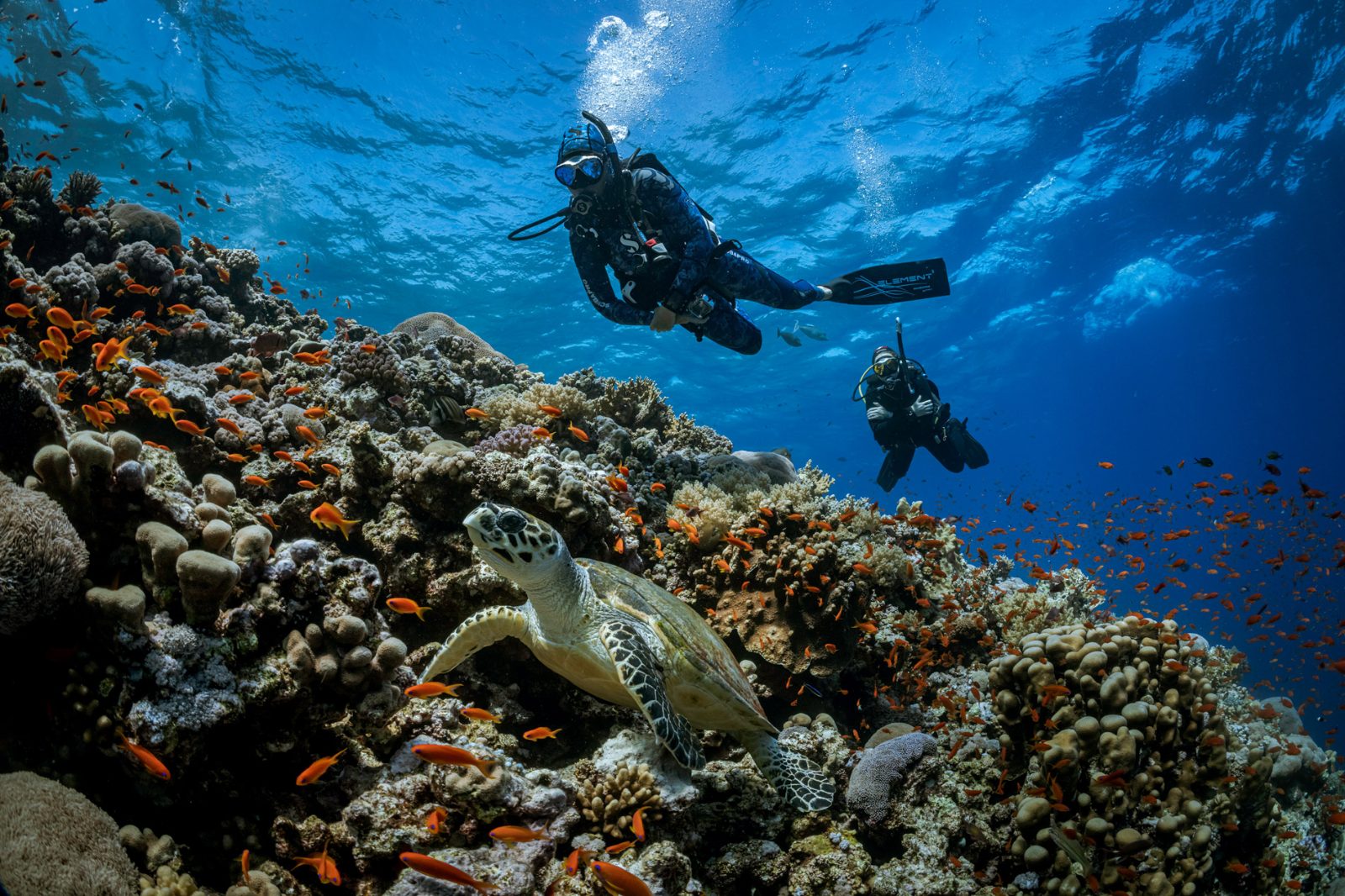
The fringing reef encircling Great Keppel Island formed over millennia as coral polyps colonized the submerged slopes of an ancient coastal range, creating a living structure that now supports over 200 fish species and seasonal aggregations of manta rays, green turtles and leopard sharks. Unlike the outer Great Barrier Reef sites that require multi-hour boat transfers, Great Keppel's dive zones lie within 10 minutes of shore-based operators, making multi-dive days logistically straightforward. Underwater topography varies sharply by compass bearing. The western shore where The Spit extends into Fisherman's Beach features sandy channels and scattered bommies to 8 meters, used primarily for skills training and snorkel transitions. The northern coastline from Leeke's Beach to Monkey Beach holds the densest hard coral coverage, with staghorn and plate formations creating vertical relief to 12 meters. Eastern exposure sites like Halfway Island and Man and Wife Rocks offer wall diving to 18 meters, where ledges shelter schooling trevally, barracuda and occasional whitetip reef sharks resting in sand pockets. The Manta Ray Bommie wreck site, positioned 800 meters northeast of the island, marks the remains of a steel-hulled barge that settled on a reef platform in the 1960s. The structure now functions as an artificial reef, its corroded frame colonized by soft corals and frequented by batfish, lionfish and nudibranchs. Depth at the wreck averages 14 meters, with penetration possible through open cargo holds. Current can accelerate around the bommie during tidal exchange, requiring intermediate buoyancy control. Diving Great Keppel Island through certified operators based at Great Keppel Watersports ensures access to compressor facilities, rental equipment and guided site selection matched to certification level and sea state. Shore-based tanks eliminate the need for liveaboard logistics, though divers must coordinate ferry schedules from Rosslyn Bay Harbour on the mainland. Water temperature ranges from 21°C in August to 28°C in February, with 5mm wetsuits recommended during the cooler months and 3mm sufficient for summer diving. The combination of accessible depth profiles, short transit times and diverse marine ecosystems positions the island as a practical base for multi-day dive itineraries without the cost structure of outer reef expeditions.
“The fringing reef encircling Great Keppel Island supports over 200 fish species and seasonal aggregations of manta rays, green turtles and leopard sharks.”
Optimal Timing for a Great Keppel Island Dive
The best arrival window for diving at Great Keppel Island is 08:00–15:00, as optimal visibility and weather conditions typically occur during the morning and early afternoon. Planning your dive during these hours ensures clearer water and more stable marine conditions.
September to November
Low to moderateWarm, 22°C to 28°C
Spring offers calm seas and consistent water clarity ideal for diving.
December to February
ModerateHumid, 25°C to 31°C
Expect higher temperatures and occasional tropical rain patterns affecting visibility.
Weekday mornings
Minimal—
Arriving at 08:00 provides the highest likelihood of calm water and the best underwater light for viewing marine life.
Verdict: The best time to dive is between 08:00 and 15:00 on a weekday during the months of September or October.
Great Keppel Island Dive Operational Hours
Great Keppel Island Dive maintains consistent operational hours throughout the week to facilitate visitor access to snorkeling and diving activities.
| Monday | 08:00–16:00 | |
|---|---|---|
| Tuesday | 08:00–16:00 | |
| Wednesday | 08:00–16:00 | |
| Thursday | 08:00–16:00 | |
| Friday | 08:00–16:00 | |
| Saturday | 08:00–16:00 | |
| Sunday | 08:00–16:00 |
Great Keppel Island Dive Access and Costs
Access to Great Keppel Island does not require an entry fee. Costs for diving and water activities are determined by the specific tour or equipment hire selected.
A typical visitor pays 0 AUD for island access, with additional costs depending on the specific diving or water sport activities chosen.
How to Arrive for Your Great Keppel Island Dive
Great Keppel Island is located off the coast of Yeppoon, Queensland. The primary method of arrival is via ferry services departing from the mainland to the island's main beach areas.
Ferry from Pier One, Yeppoon to Great Keppel Island
Walk from the island ferry landing to The Spit
Preparation Checklist for a Great Keppel Island Dive
Plan ahead to ensure a safe and smooth dive experience at Great Keppel Island.
-
Confirm your dive booking in advance — Dive operators require reservations and availability is limited, especially during peak season.
-
Bring your PADI or SSI certification card — Proof of certification is mandatory for all recreational dives beyond introductory experiences.
-
Pack reef-safe sunscreen and a hat — Strong tropical sun and reflection off the water increase UV exposure significantly.
-
Arrive between 08:00 and 15:00 — Morning and early afternoon offer the best underwater visibility and calmest sea conditions.
-
Wear or bring a rash vest — Provides sun protection and prevents stings from minor marine life contact.
-
Bring a waterproof bag for valuables — Protect phones, wallets, and keys from salt water and sand during boat transfers.
-
Check weather and sea conditions the day before — Rough seas or poor visibility may lead to rescheduled trips or alternative dive sites.
Check availability
Frequently asked questions about great keppel island dive
Everything you need to know about great keppel island dive