Quick answer
The best snorkeling spots great keppel island are Shelving Beach for easy reef access and green turtle encounters, Monkey Beach for hard coral gardens and tropical fish diversity, Clam Bay for calm conditions and juvenile reef species, and Putney Beach for deeper bommies and pelagic visitors. All sites are shore-accessible and productive year-round, with visibility highest May through October.
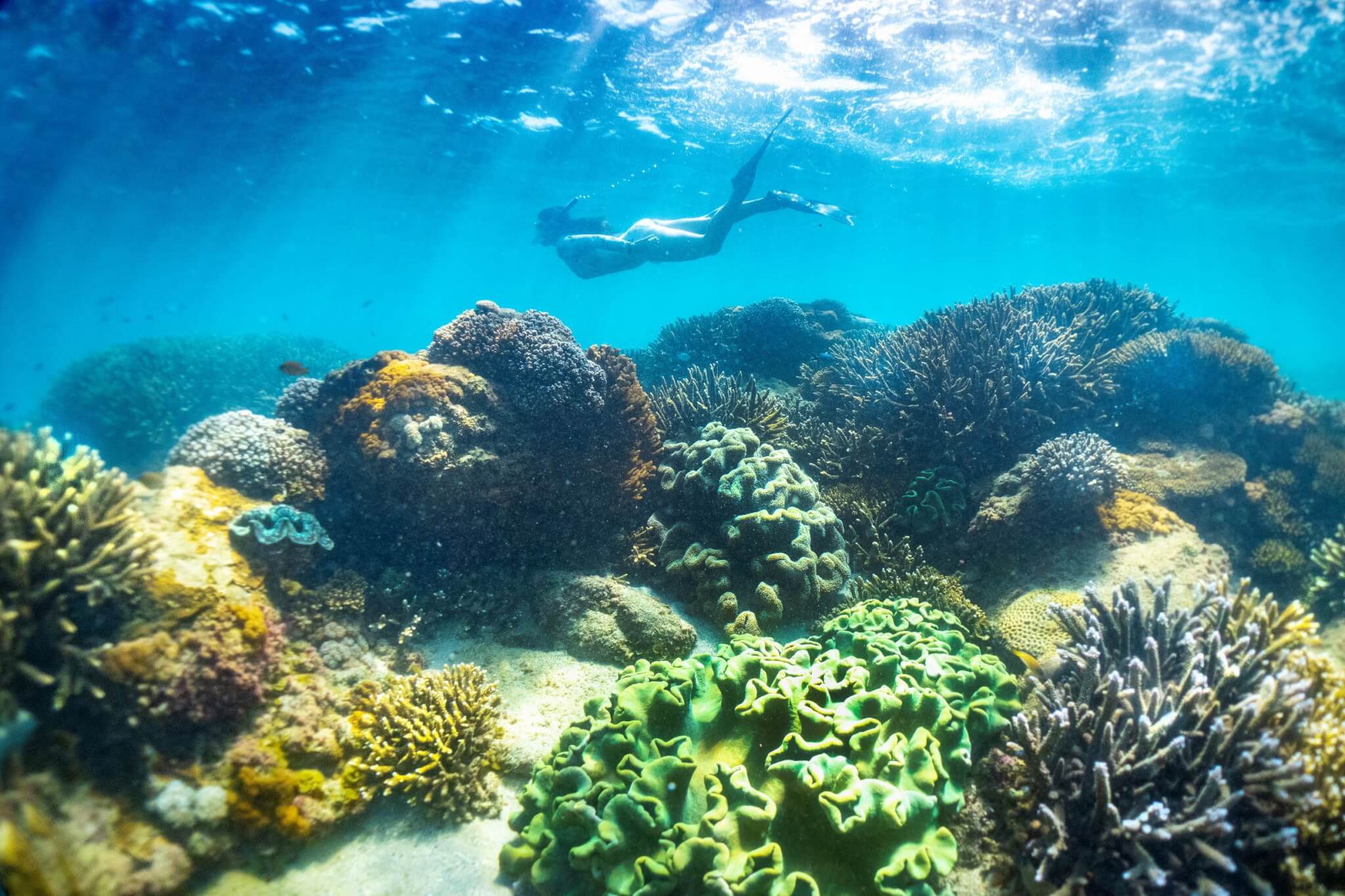
Great Keppel Island's fringing reefs form a continuous underwater margin around seventeen named beaches, but four sites concentrate marine diversity, shore access, and reliable clarity into snorkeling zones that work across tidal windows and weather patterns. Shelving Beach—the main arrival point—extends a shallow reef platform parallel to the sand for two hundred meters. Hard coral clusters sit in two to four meters of water twenty meters offshore, visited hourly by green turtles grazing on algae beds. The reef slopes gently, visibility holds through midday, and the beach's western aspect blocks southeast trade winds. Monkey Beach, a fifteen-minute walk north, shelters a dense coral garden along its rocky northern headland. Staghorn formations, plate corals, and anemone clusters host clownfish, parrotfish, and schools of fusiliers. Entry is easiest at high tide when surge clears the rocky shore; snorkel the headland first, then drift south along the drop-off where the reef meets sand at five meters. Clam Bay, tucked into the island's northeastern corner, offers the calmest entry and shallowest reef—ideal for first-timers and children. Coral bommies rise one meter from the sand in waist-deep water, and juvenile damselfish, wrasse, and butterflyfish populate the structure. The bay faces northwest, protected from prevailing winds, and requires only mask and fins. Putney Beach, on the island's southern coast, draws fewer visitors but delivers the deepest reef access. Swim east from the beach and follow the rocky point to bommies sitting in six to eight meters. Larger species—trevally, cuttlefish, occasional reef sharks—patrol this zone, and visibility exceeds fifteen meters on calm days. The site is tide-independent but exposed to southern swells; avoid it after storms. Ferry schedules frame the snorkeling window. Morning departures land visitors by nine, and return boats leave at four, giving seven hours of reef time. Midday clarity is strong across all sites, though early arrivals at Shelving Beach and Monkey Beach avoid the afternoon crowds. No permits are required; the island operates as open-access public land with free beach entry. Coral protection rules prohibit touching, standing on, or collecting marine life—rangers patrol during peak season. Pack reef-safe sunscreen; the island sells none, and the mainland is ninety minutes away by ferry.
“Great Keppel's fringing reefs form a continuous underwater margin around seventeen named beaches, but four sites concentrate marine diversity and shore access into zones that work across tidal windows.”
Top Best Snorkeling Spots Great Keppel Island: Exploring Sheltered Coves
Great Keppel Island offers diverse snorkeling opportunities accessible directly from the shore. The following locations are recognized for their coral diversity and protected positions.
Shelly Beach
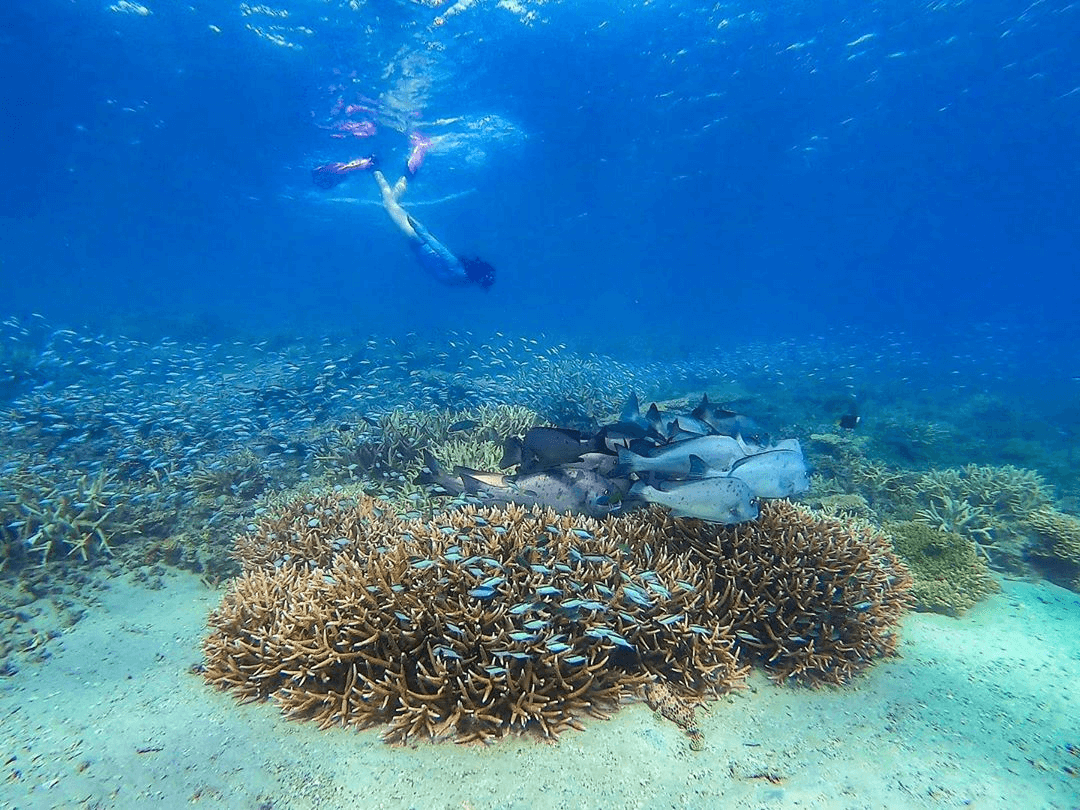
Located on the north-eastern side of the island, this spot is reachable via a walking track and features accessible reef flats. Marine life often congregates around the rocky outcrops at either end of the beach.
Enter the water from the center to avoid rocky edges.
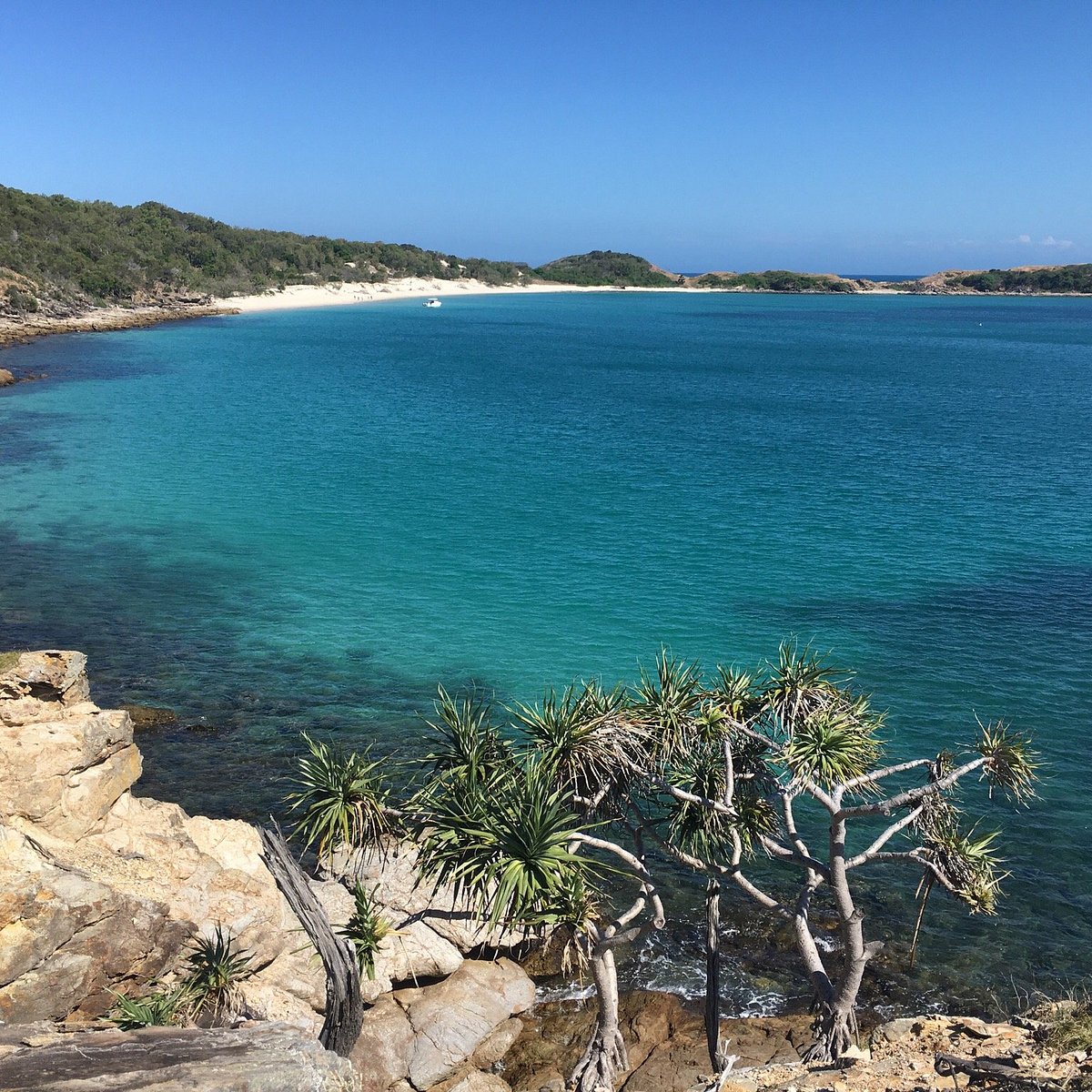
Monkey Beach
This sheltered cove is a popular site known for calm waters and proximity to fringing coral reefs. It provides a straightforward swim from the shoreline for those seeking varied fish species.
Access via the northern walking trail from the main beach.
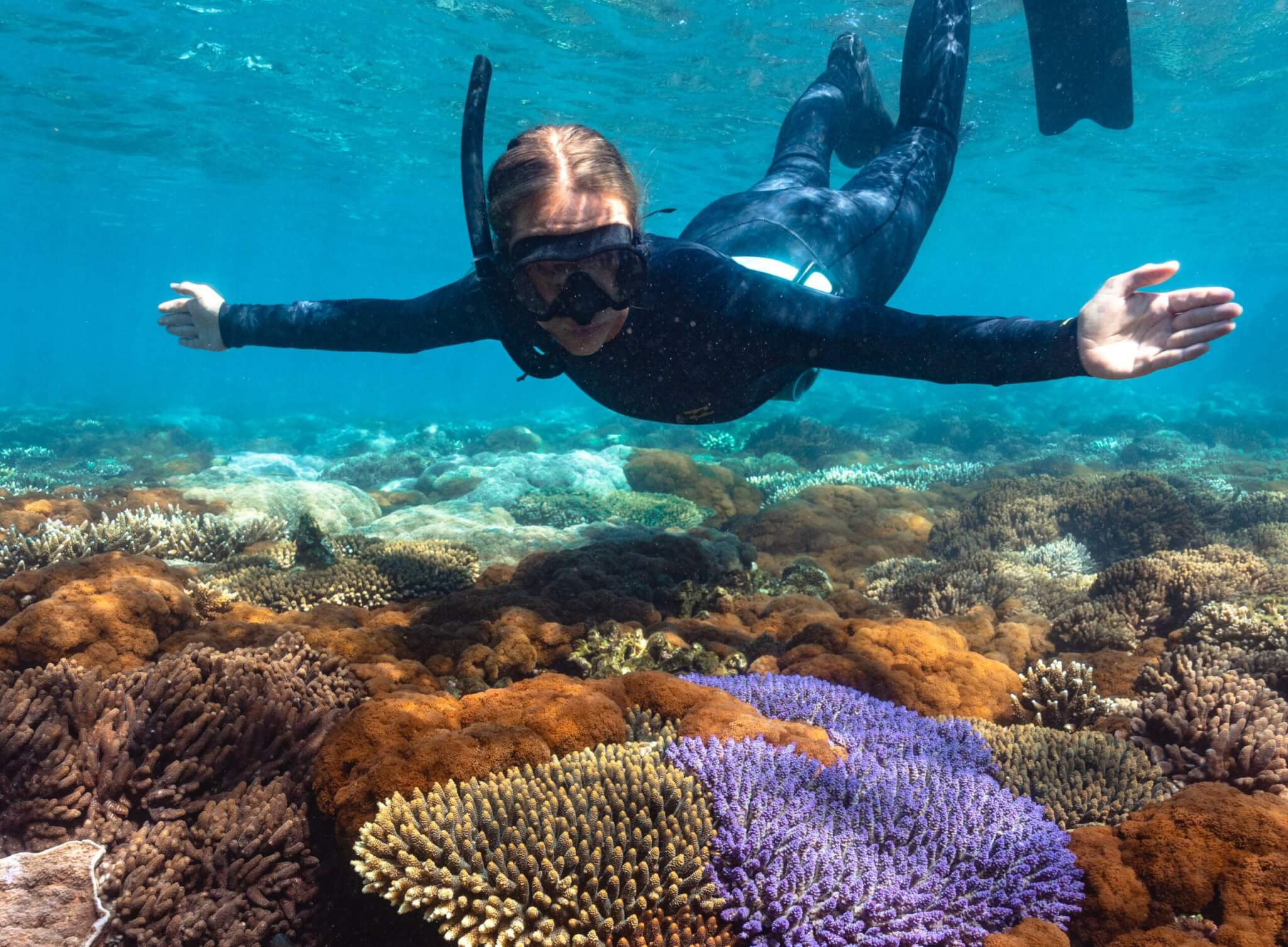
Butterfish Bay
Situated on the western side of the island, this bay offers quieter conditions and clear water suitable for observing soft corals. It remains a preferred location for visitors wanting to avoid larger crowds.
Visit during the morning for the clearest visibility.
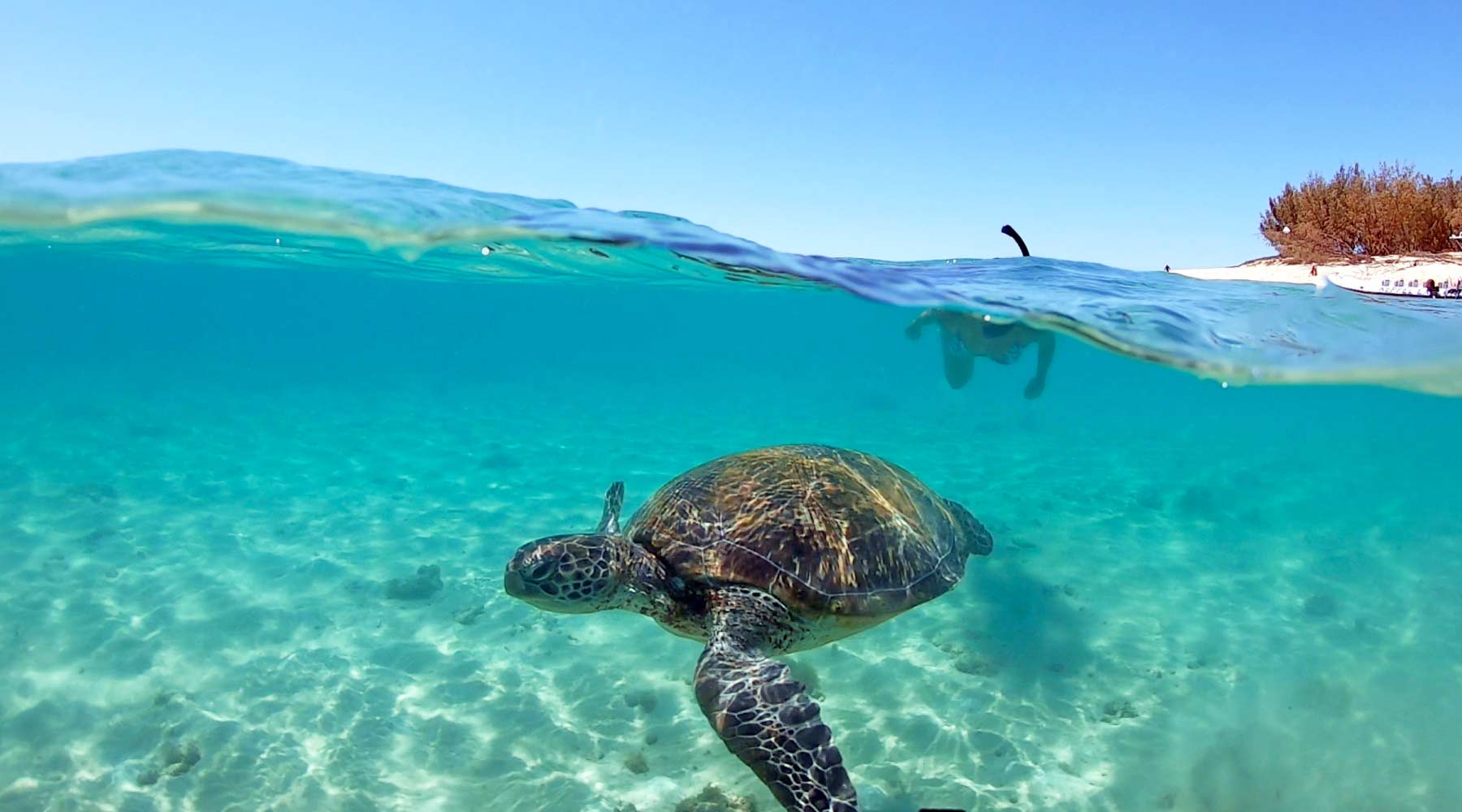
Leeke's Beach
Known for its expansive shoreline and seagrass beds, this area is frequently visited by green sea turtles. Snorkelers often spot marine life grazing in the shallower sections of the bay.
Watch for turtles near the seagrass patches at high tide.
Best Time to Visit the Best Snorkeling Spots Great Keppel Island
The optimal window for snorkeling Great Keppel Island occurs during the shoulder seasons of April to May and September to October, when water visibility is highest and wind speeds are generally lower. Planning your sessions around the best arrival window of 07:30–16:00 ensures you can coordinate your time in the water with favorable tidal movements.
April–May
Moderate crowds22°C to 28°C; calm seas
Clearer water conditions and stable weather patterns facilitate visibility for shallow reef exploration.
September–October
Moderate crowds21°C to 27°C; low wind
These months provide the best balance of comfortable water temperatures and reduced wind chop for snorkeling.
Weekday mornings
Light visitor numbers—
Morning sessions often feature the calmest water surface and are less impacted by afternoon sea breezes.
Verdict: The best snorkeling conditions are found mid-week during the shoulder months of April, May, September, or October, arriving within the 07:30–16:00 window to capitalize on calm morning tides.
How to Reach the Best Snorkeling Spots Great Keppel Island
Great Keppel Island is located off the Capricorn Coast, accessible via passenger ferry services departing from the mainland at Rosslyn Bay. Upon arrival at the main jetty, most shore-accessible snorkeling spots are reachable by walking along the island’s established coastal tracks.
Ferry from Rosslyn Bay to Great Keppel Island
Jetty to Fisherman's Beach and surrounding coves
Island tracks to Shelving Beach or Monkey Beach
Checklist for Visiting the Best Snorkeling Spots Great Keppel Island
Pack the right gear and prepare properly to make the most of your independent snorkeling trip around the island's reefs.
-
Bring reef-safe sunscreen (SPF 50+) — Chemical sunscreens damage the marine park; biodegradable formulas protect both you and the coral.
-
Pack or rent a snorkeling mask and fins — Well-fitted gear lets you explore comfortably for longer and reach offshore bommies more easily.
-
Carry a surface marker buoy or float — Boats frequent the channels; a bright float keeps you visible and provides a rest point.
-
Wear a UV rashguard or wetsuit — Thin neoprene prevents sunburn during extended sessions and offers minor protection from jellyfish.
-
Pack drinking water and light snacks — No vendors operate at remote beaches; hydration matters in the Queensland sun.
-
Check your ferry return time before entering the water — Missing the last departure (typically 16:00) leaves you stranded overnight.
-
Bring a waterproof bag for valuables — Sand, salt, and spray will damage phones and wallets left unprotected on the beach.
Operational Hours for Accessing Best Snorkeling Spots Great Keppel Island
Great Keppel Island is a public destination accessible to visitors throughout the week. The island remains open daily to accommodate travel and exploration.
| Monday | 00:00–23:59 | |
|---|---|---|
| Tuesday | 00:00–23:59 | |
| Wednesday | 00:00–23:59 | |
| Thursday | 00:00–23:59 | |
| Friday | 00:00–23:59 | |
| Saturday | 00:00–23:59 | |
| Sunday | 00:00–23:59 |
Entry Fees for the Best Snorkeling Spots Great Keppel Island
Access to all snorkeling beaches on Great Keppel Island is provided free of charge. Costs associated with visiting these locations are limited to transport and personal equipment requirements.
A typical visitor pays 0 AUD for beach access, with total costs depending solely on the chosen ferry service for transport.
Check availability
Frequently asked questions about best snorkeling spots great keppel island
Everything you need to know about best snorkeling spots great keppel island